

- EN
- JA
Toronto


Our Menu

Location

Reserve
Now

Online
Order
Menu
Ramen and Health
Ramen and Health
In Japan, people often talk about how ramen affects health. Most of the time, the topic comes up in a negative way—but I think that just shows how much people love ramen. Ramen is more than just food. It’s part of the culture. And because it’s so popular, it always gets attention and debate. That’s what makes it special.
Of course, ramen isn’t bad by itself. Like anything, it depends on how much you eat.
“All things are poison, and nothing is without poison; the dose makes the poison.”
In short: too much of anything is not good. But in moderation, it’s fine.
So what should you keep in mind when eating ramen?
People often say ramen is unhealthy because it has too much salt, fat, and calories. Some also mention that it doesn’t have enough nutrients.
The calorie count might surprise you.
Basic ramen types—like soy sauce, salt, miso, or pork bone—have around 400 to 600 kcal per bowl. Lighter styles like shio and shoyu are lower, while miso and tonkotsu are higher. Heavier types like Iekei or Jiro-style can go over 800–1000 kcal, especially with added fat or oil. So if you care about your health, that’s something to keep an eye on.
For salt, here’s an easy trick: don’t drink all the soup. Leaving the broth can reduce your sodium intake by up to one-third.
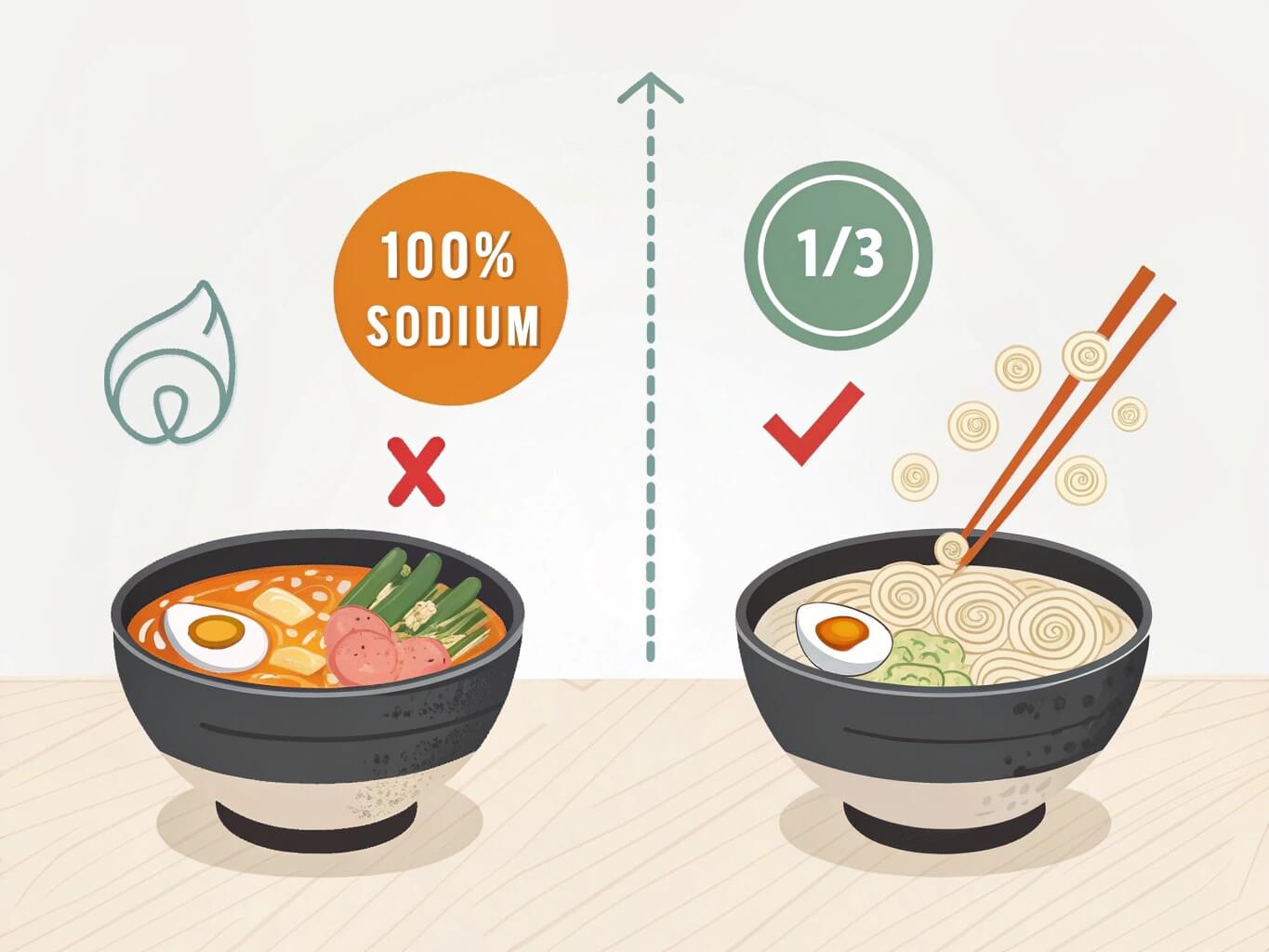
Want better balance? Try adding toppings like a soft-boiled egg or tofu. These ingredients can give you extra protein, vitamins, and nutrients—small changes that make your ramen a bit healthier, without losing any of the joy.
That’s the idea—these are just ways to feel less guilty.
For the record, I eat ramen five or six times a week, and I stay healthy by getting good sleep and regular exercise.
By the way, Momofuku Ando, the founder of Nissin Foods and creator of the world’s first instant ramen, Chicken Ramen, ate it for lunch every day for 50 years, and lived to be 96 years old.
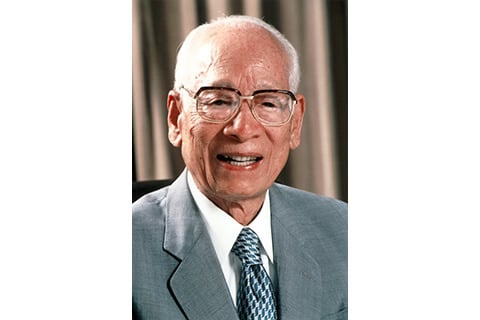
Reference: Gov Online Japan
Sure, that’s just one man’s story. But as someone who runs a ramen shop, I want to show that eating ramen itself is not the problem.
Eating what you love—and enjoying it—is one of the best parts of life. You don’t need to feel guilty about ramen. With a little mindfulness and care, you can enjoy it for many years to come. And when you do that, ramen becomes more than just a meal—it becomes part of a happy, balanced life.
Written by
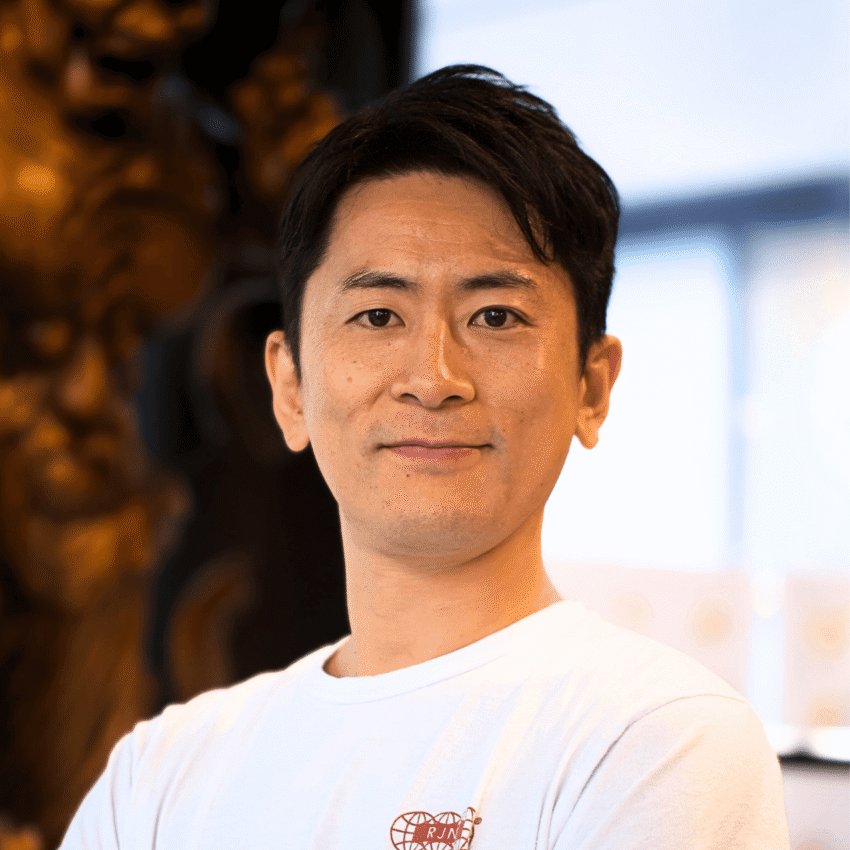
Hiroshi Yoshida / CEO & Owner Chef of “ramen RAIJIN”
Owner chef of ramen RAIJIN. With 18 years of ramen experience in Japan and Canada, dedicated to running ramen RAIJIN with a vision to discover “beyond oishii”. Developed North America’s first frozen ramen during the pandemic.